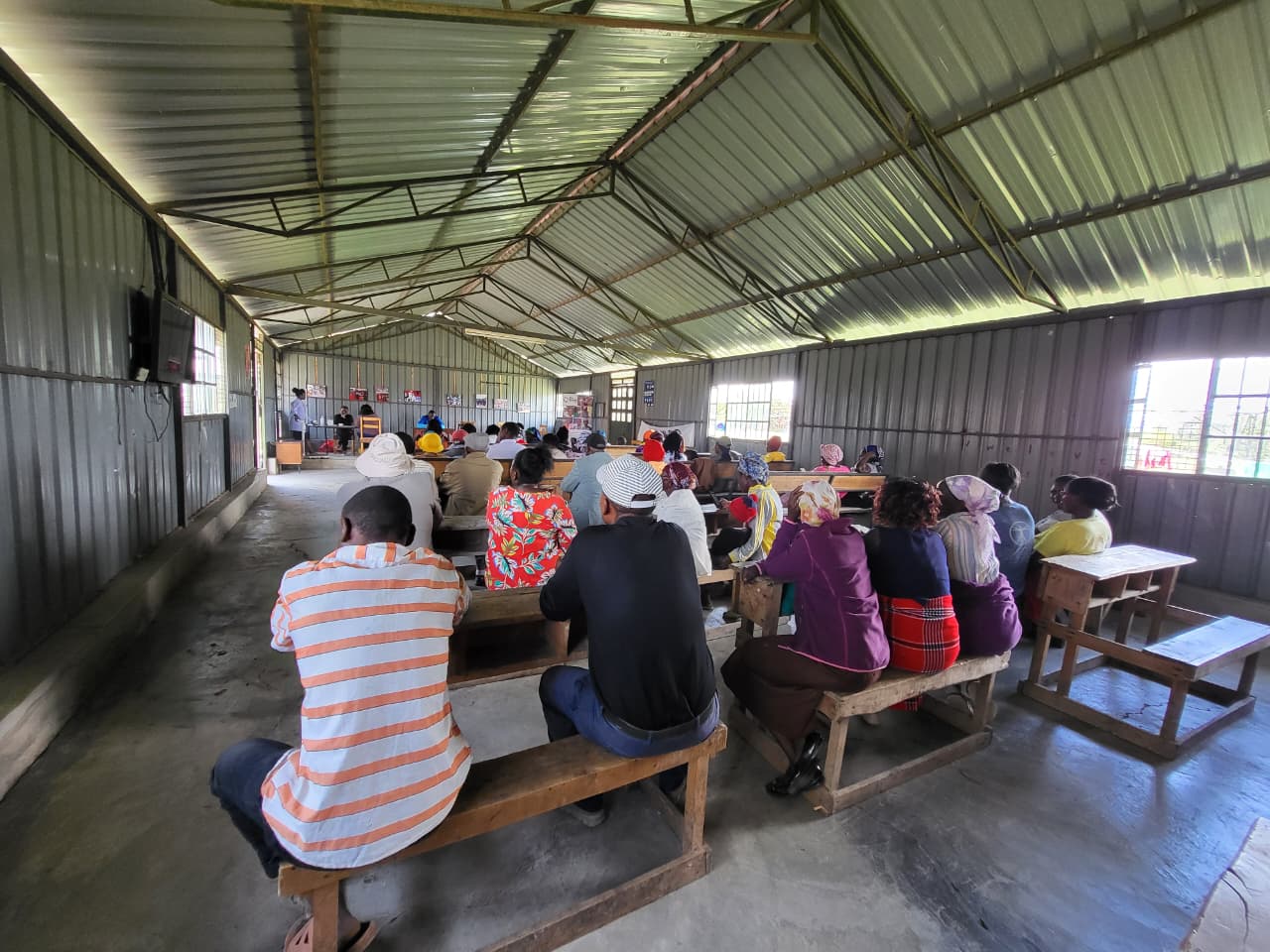
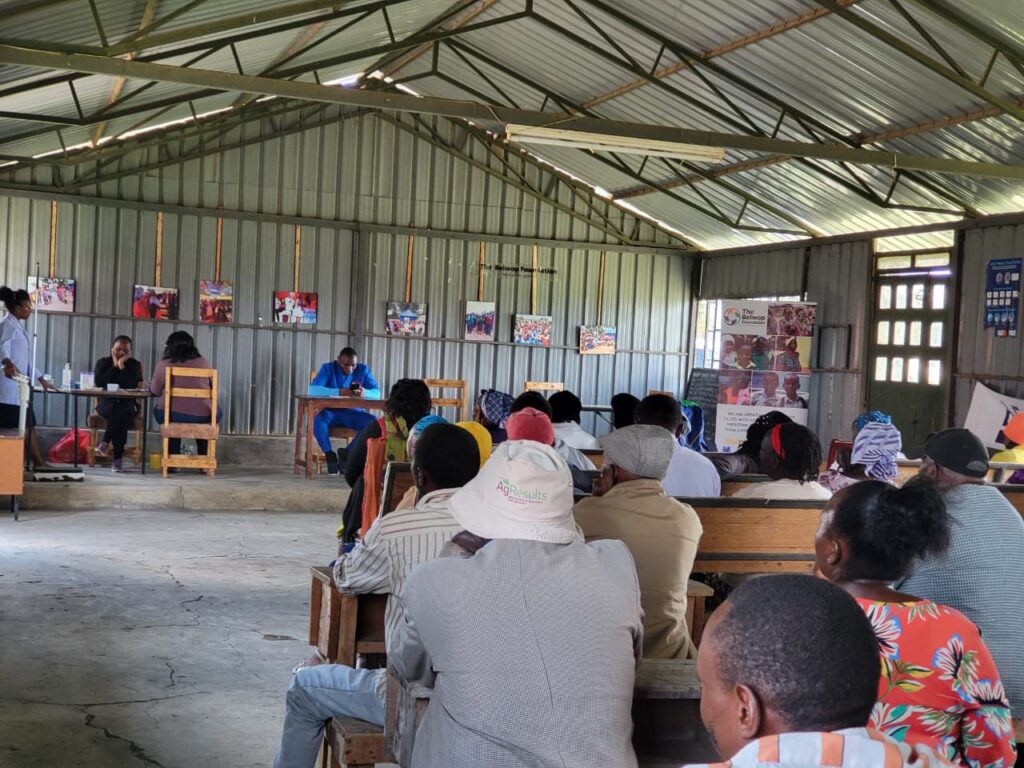
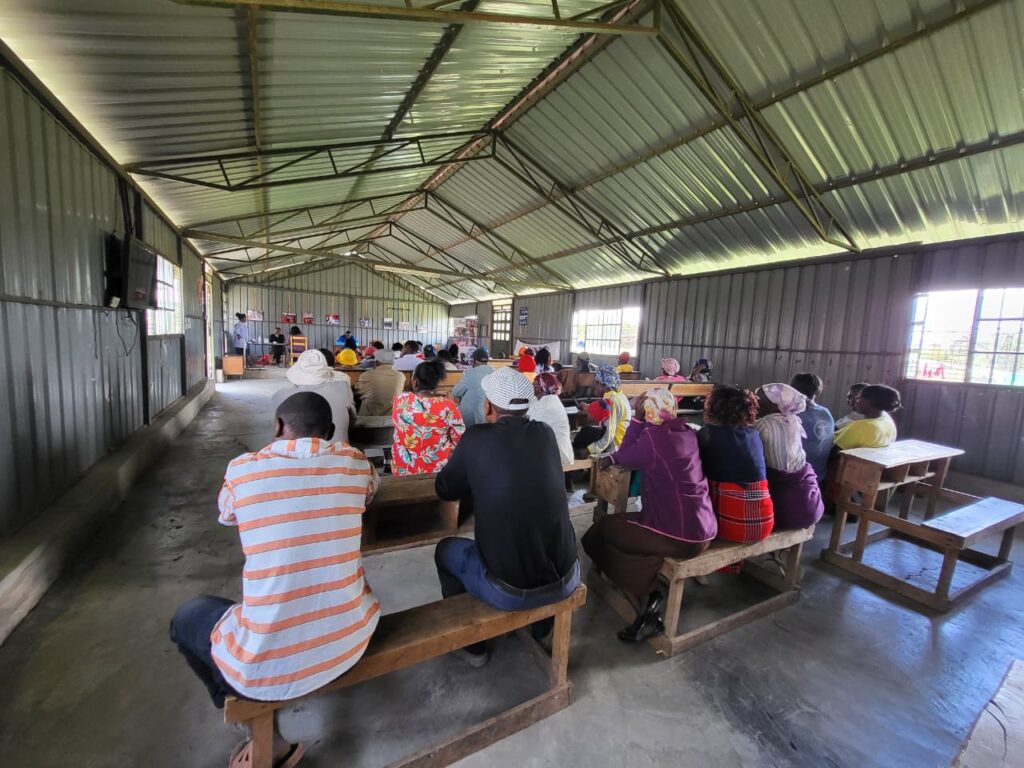
On November 10, 2025, something special unfolded at the Belwop Rescue Centre grounds—a day dedicated to health, hope, and community service. What began as a simple idea to bring essential medical screening to those who need it most blossomed into a vibrant, multi-faceted outreach effort that touched hundreds of lives. This free medical camp was organized with the generous collaboration of Equity Afia, a partner whose commitment to accessible healthcare aligned perfectly with our mission at The Belwop Foundation.
From the moment volunteers arrived, the atmosphere was one of organized energy and compassionate purpose. The camp was thoughtfully designed to address a spectrum of health needs that often go unmet in rural communities. Attendees were greeted by a network of physicians, nurses, optometrists, dental professionals, pharmacists, and community health workers who worked side-by-side to deliver comprehensive care.
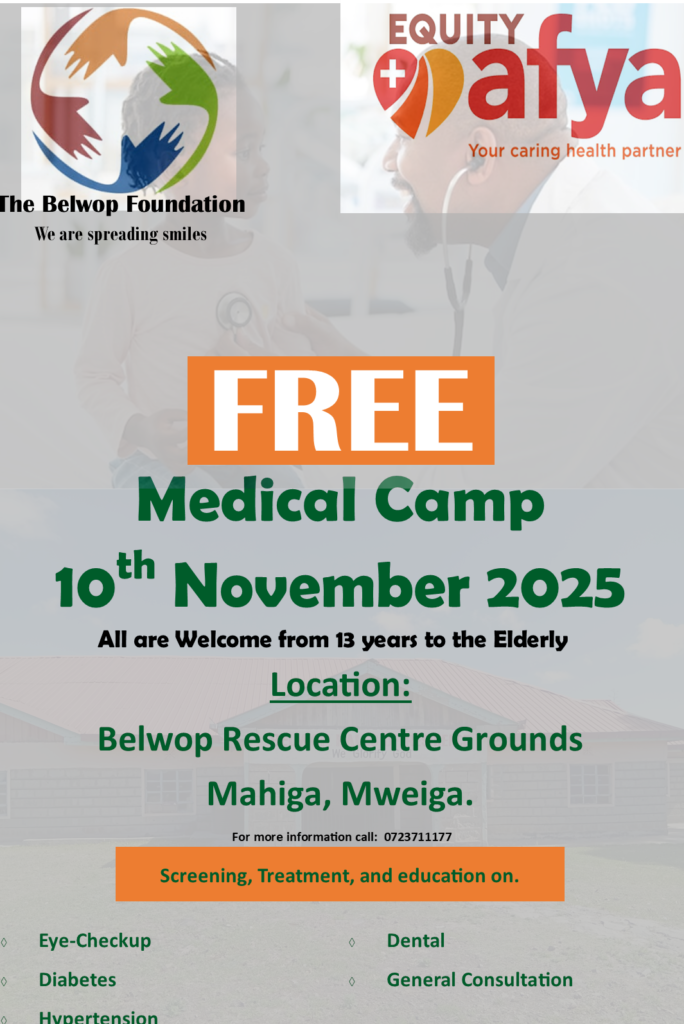
Eye screening and treatment formed the backbone of the day. Participants received thorough eye examinations, including vision checks and screenings for common conditions that affect daily living—cataracts in older adults, refractive errors requiring prescription glasses, and other eye health concerns. For many, this was their first opportunity to learn about eye health, and the process was explained in clear, compassionate language so attendees could understand their results and the next steps. When prescription medications or corrective lenses were prescribed, these were provided on-site where possible, or arranged through follow-up programs to ensure continuity of care.
In addition to eye health, the camp offered screenings for diabetes and hypertension—two chronic conditions that often remain undiagnosed until complications arise. Blood pressure measurements, glucose screening, and risk assessments were conducted with sensitivity to cultural and linguistic needs, ensuring everyone felt respected and heard. Education was a central component: attendees learned practical strategies for managing blood sugar and blood pressure through lifestyle adjustments, meal planning, physical activity, and adherence to treatment plans. When necessary, referrals were made to local clinics or specialists to ensure ongoing management and support.
Dental care was another critical pillar of the day. A team of dental professionals provided examinations, quick cleanings, fluoride treatments, and advice on maintaining oral health. The camp also offered general medical consultations to address a wide range of health concerns—whether someone needed a routine check-up, a clarification of medications, or guidance on symptom relief. This holistic approach meant that families could receive care for multiple health issues in a single visit, reducing the barriers that often deter people from seeking care.
An important outcome of the event was the identification of cases that could not be managed locally. In these instances, our team facilitated smooth, well-coordinated referrals to higher-level care facilities. By ensuring that patients understood the referral process and had support in navigating the next steps, we aimed to minimize delays in treatment and raise the overall standard of care in the community.
Beyond the clinical services, the camp served as a gathering place for education, empowerment, and connection. Health literacy workshops were offered in accessible formats, with materials translated into local languages where needed. Community members had opportunities to ask questions, voice concerns, and discuss preventive strategies that could improve long-term health outcomes for their families.
From a logistical perspective, the event ran on a foundation of careful planning and broad collaboration. We coordinated with Equity Afia to mobilize resources, staff, and expertise. The partnership brought specialized capabilities—from ophthalmology to dental care to chronic disease management—that elevated the quality and scope of services available at the camp. Our volunteer corps, driven by a shared commitment to service, contributed countless hours to registration, patient flow management, data collection, and follow-up coordination. Local leaders and community organizations supported outreach, helping us reach individuals who might otherwise miss out on essential care.
The turnout was truly heartening. Hundreds of people lined up, seeking screenings, diagnoses, and prescriptions that could change the trajectory of their health. Many received medications on-site, while others were given clear guidance and written recommendations to ensure they could access treatment in the days and weeks ahead. For some attendees, the event was more than just a medical visit—it was a lifeline, a chance to gain clarity about their health, and a reminder that compassionate care is available within reach.
As with any large community health initiative, there were lessons learned. Feedback from participants, volunteers, and partner organizations highlighted opportunities to streamline patient flow, expand multilingual educational materials, and deepen our referral networks to ensure timely follow-up. We are grateful for the constructive input and already eyeing enhancements for future camps so we can serve even more people with greater efficiency and impact.
Looking forward, our aim is simple: to foster healthier communities through accessible, collaborative care. The Belwop Foundation remains committed to improving health outcomes by partnering with organizations like Equity Afia, empowering residents with knowledge, and removing barriers to essential services. We are inspired by the stories shared by attendees—the gratitude in their voices, the relief in their eyes, and the renewed sense of agency that comes with understanding one’s health.
In gratitude for everyone who contributed to this successful day—volunteers, healthcare professionals, partners, and, most importantly, the community members who entrusted us with their health—we look forward to our next collaboration. Until then, may this experience remind us of the power of shared purpose and the difference thoughtful, coordinated care can make in people’s lives.